Ocean Science for Sustainable Development
The Intergovernmental Oceanographic Commission (IOC) of UNESCO was established in 1960 through Resolution 2.31 of the UNESCO General Conference. It operates as a functionally autonomous body within UNESCO, with the mandate to:
… promote international cooperation and coordinate programmes in research, services, and capacity building to enhance understanding of the nature and resources of the ocean and coastal areas; and to apply that knowledge for better management, sustainable development, protection of the marine environment, and informed decision-making processes by its Member States.
Our Work
Promoting Cooperation in Management of Africa’s Oceans
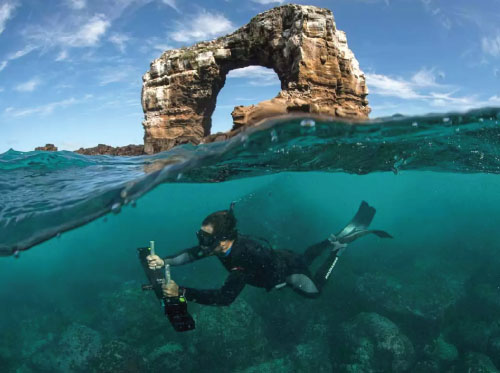
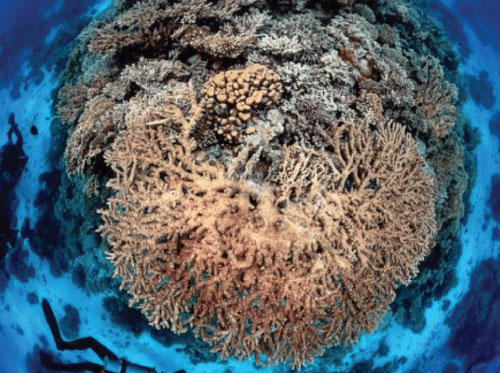

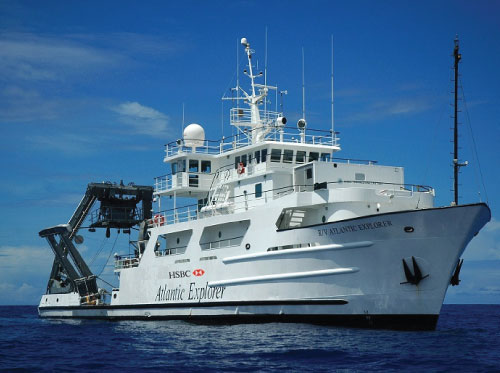
United Nations Decade of Ocean Science
The UN Ocean Decade designed 10 Challenges to complete before the decade is over. The Challenges are ambitious, so the Vision 2030 Initiative was set up to support each of the 10 Challenges.
News & Updates
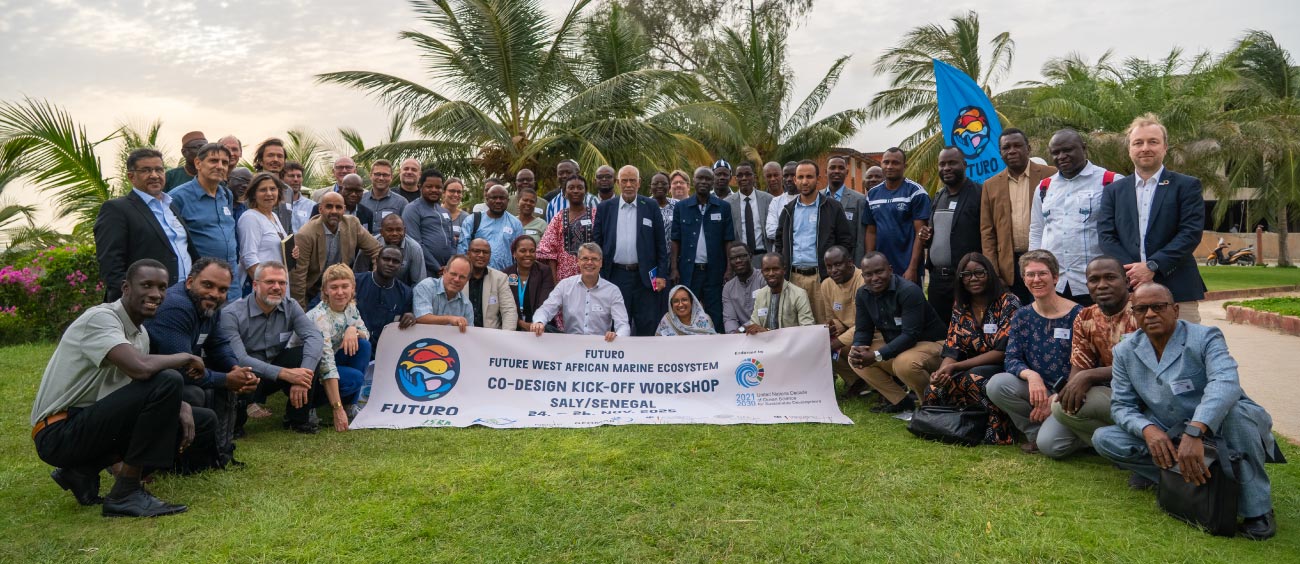
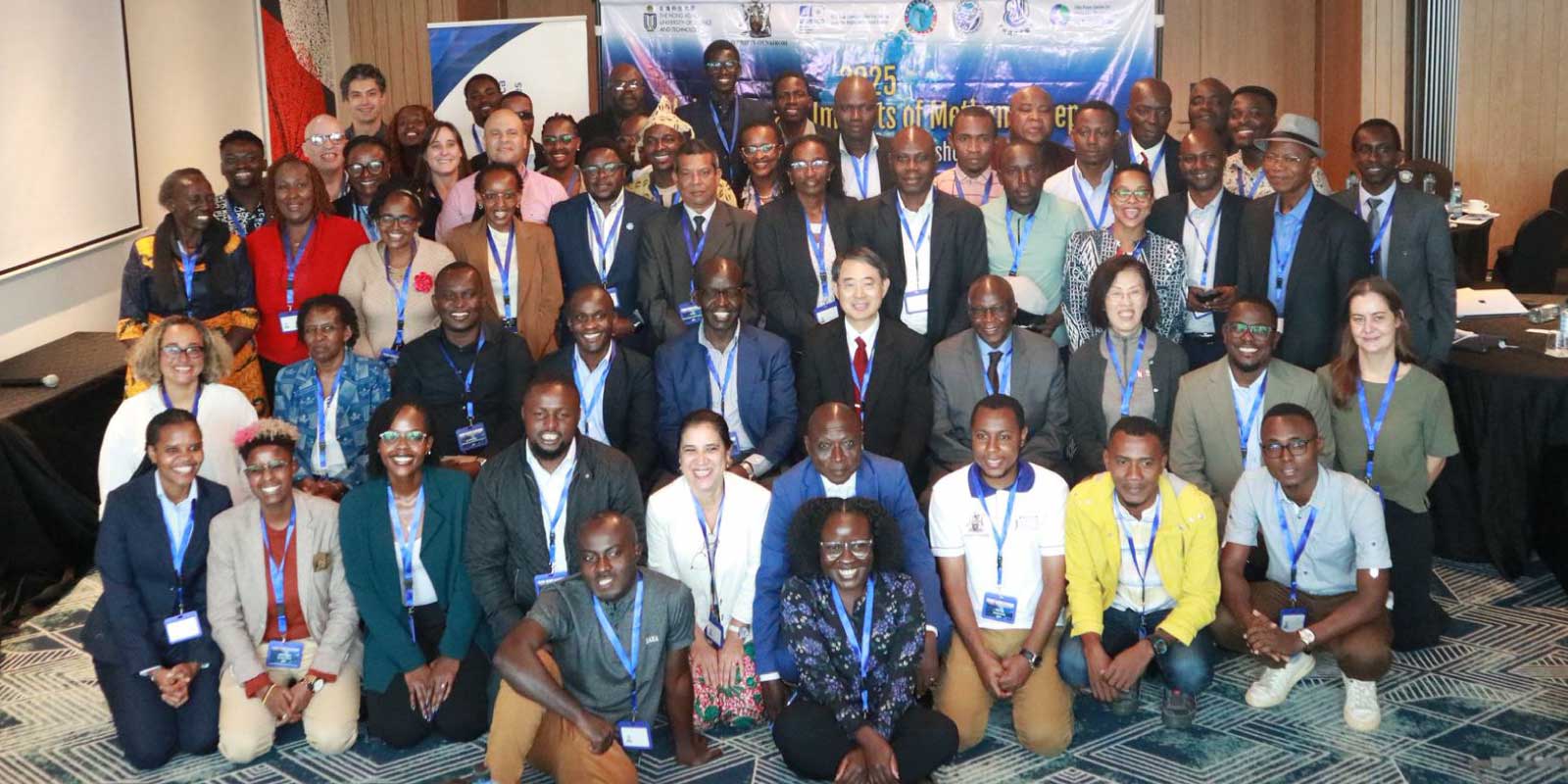
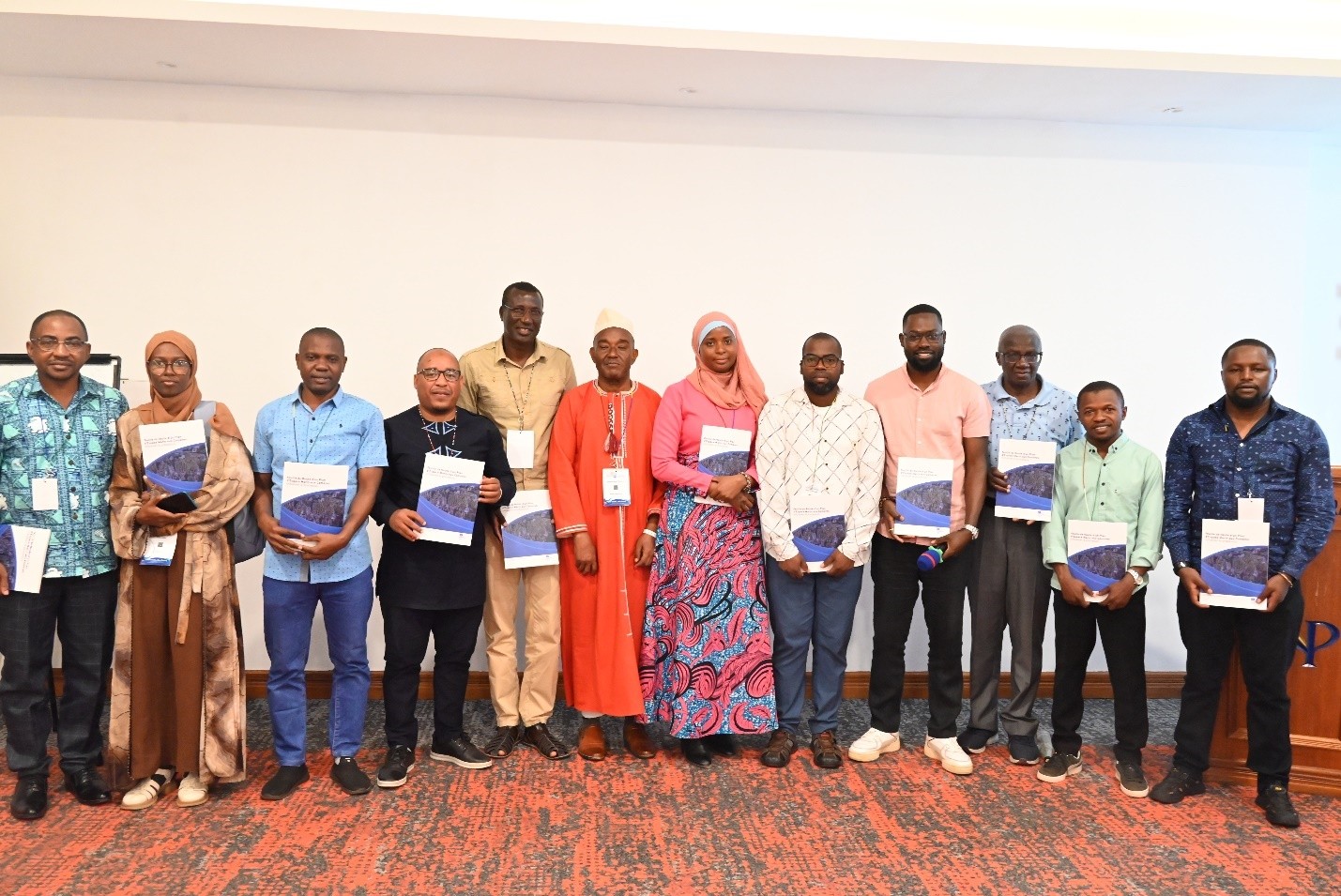
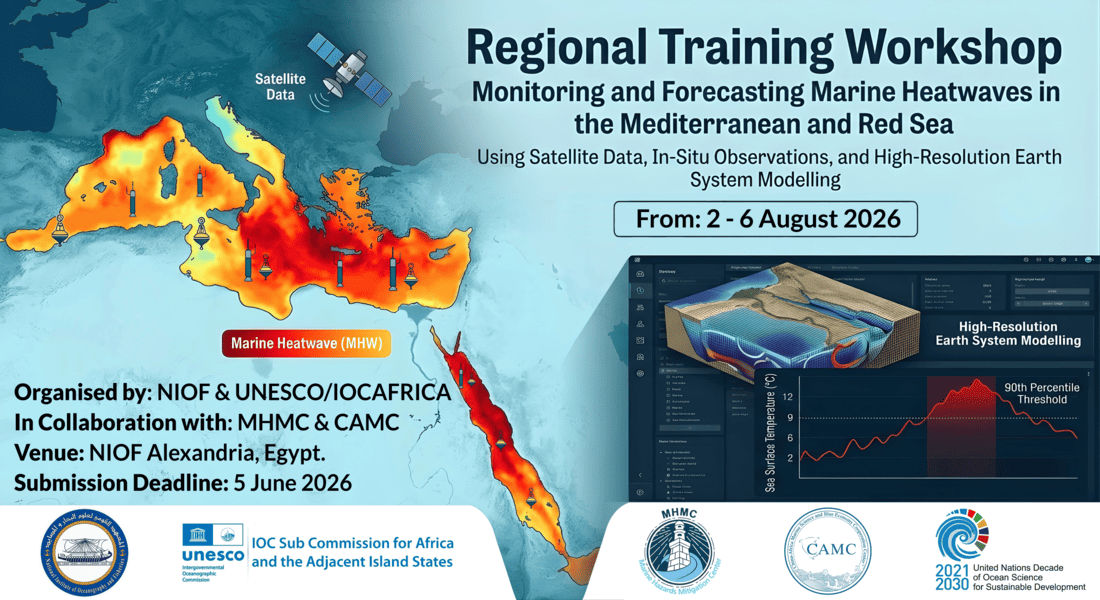
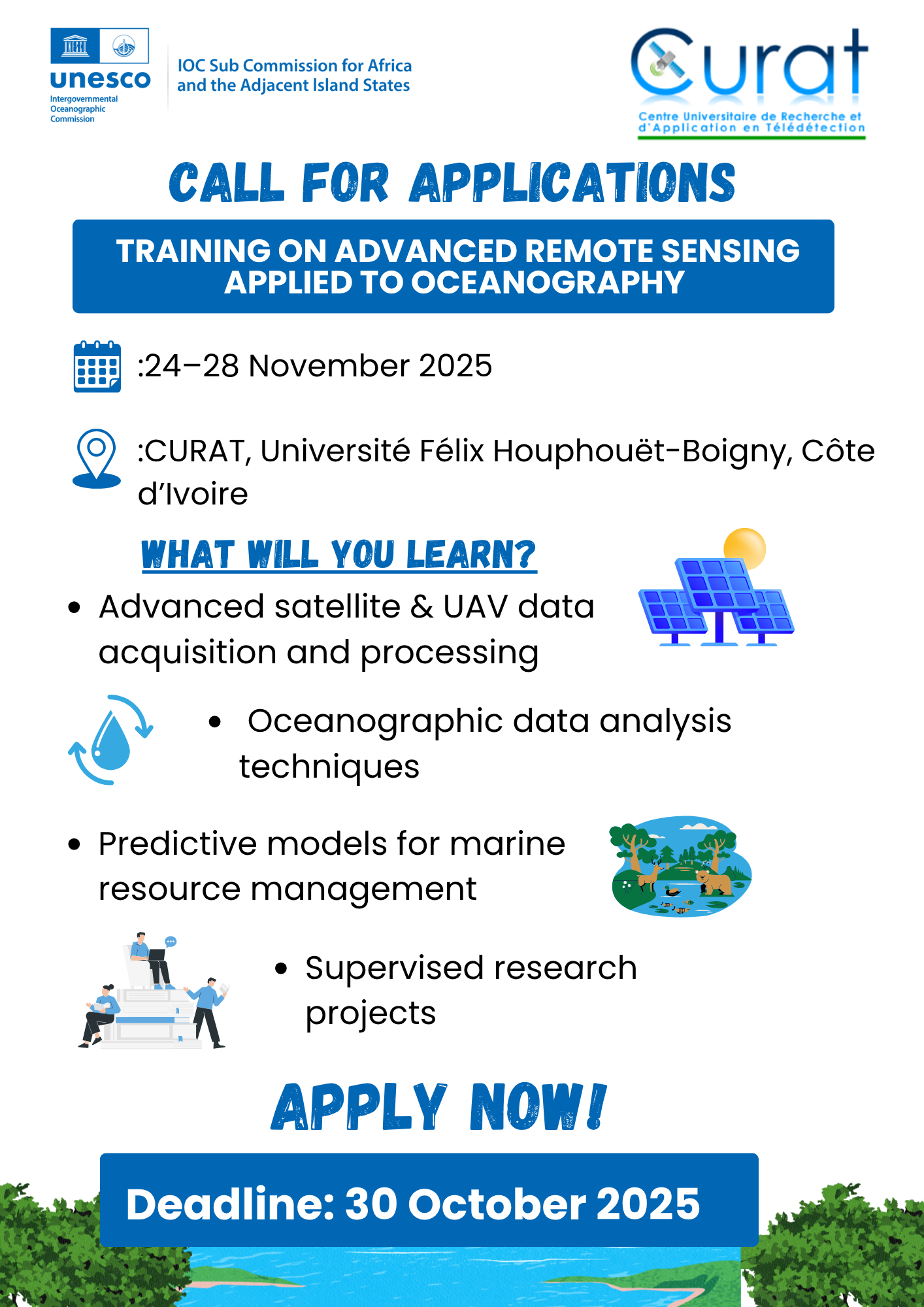
Events & Opportunities
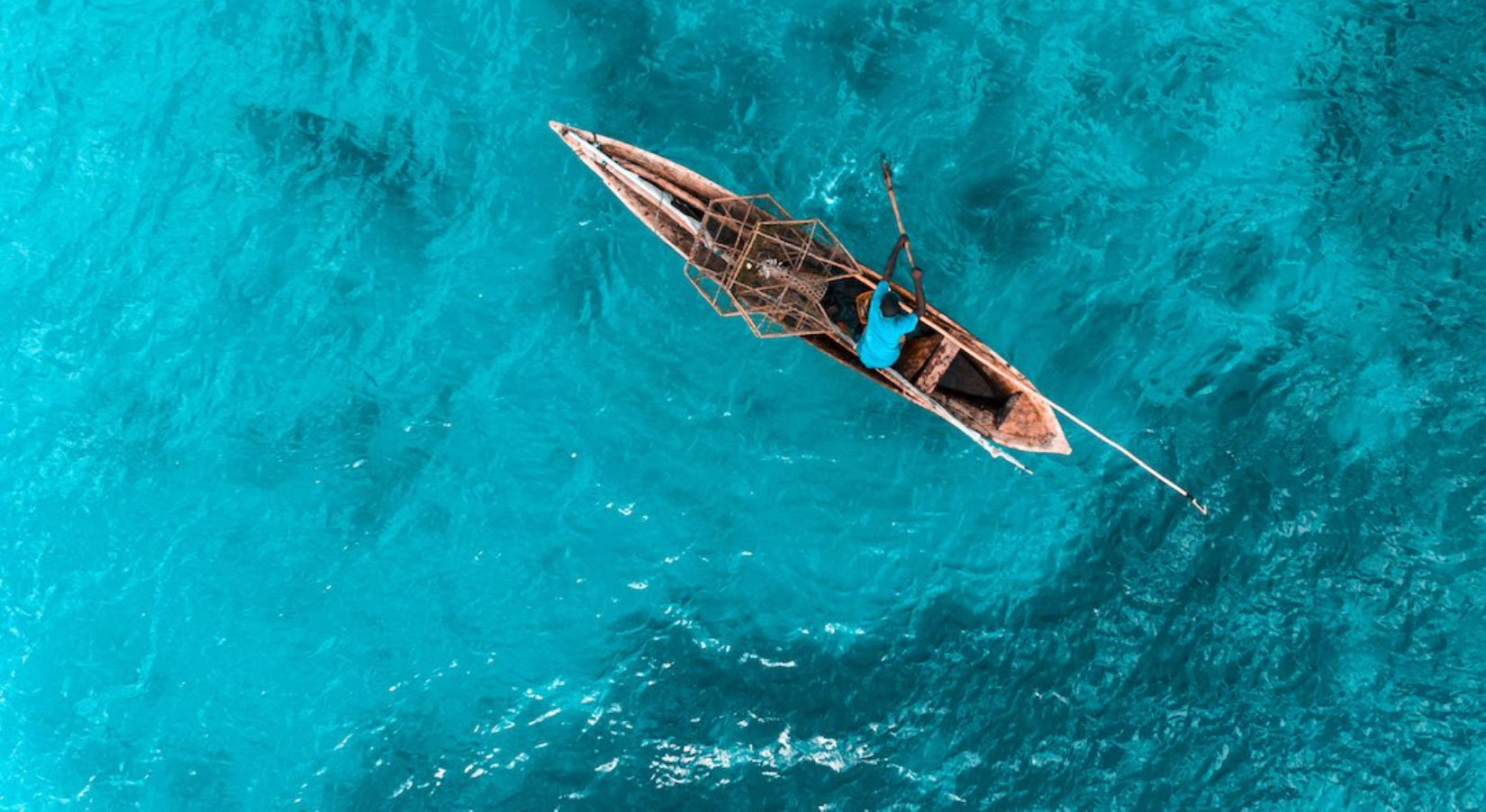
Transformative Stories
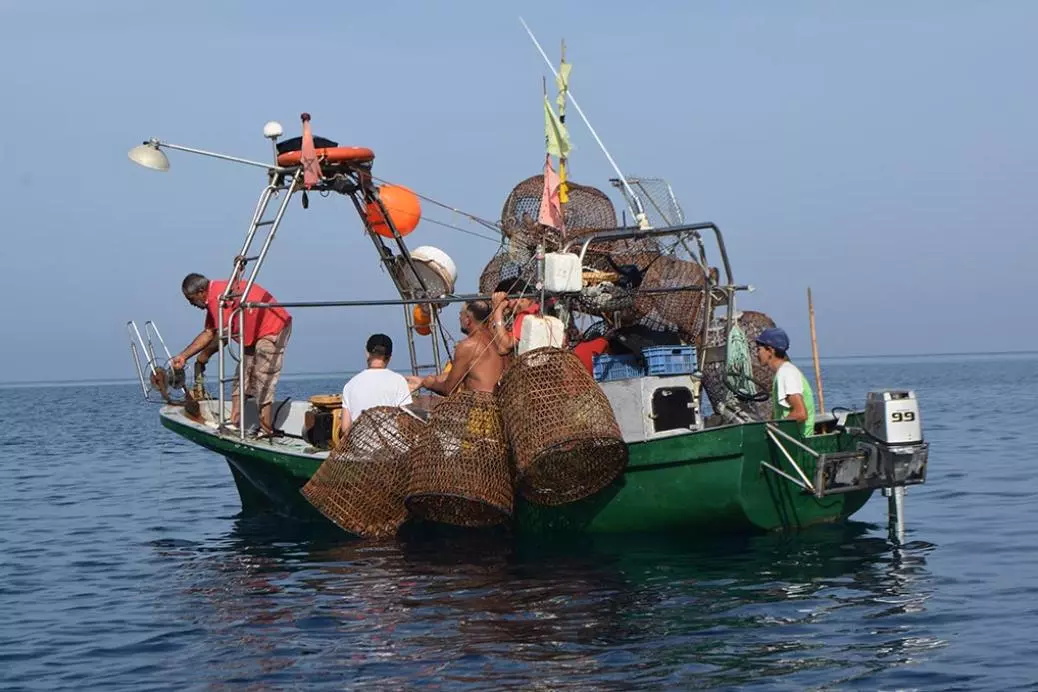
Find out how IOC Africa is making an impact in local communities around Africa.

IOC Africa in Numbers
in the UNESCO Ocean Biodiversity Information System (OBIS)
carried out by 84 countries under UNESCO's global coordination
compared to 26% currently, through the General Bathymetric Chart of the Ocean (GEBCO)