Launch of the FUTURO Research Programme: A Collaborative Effort to Study and Protect West Africa’s Marine Ecosystem

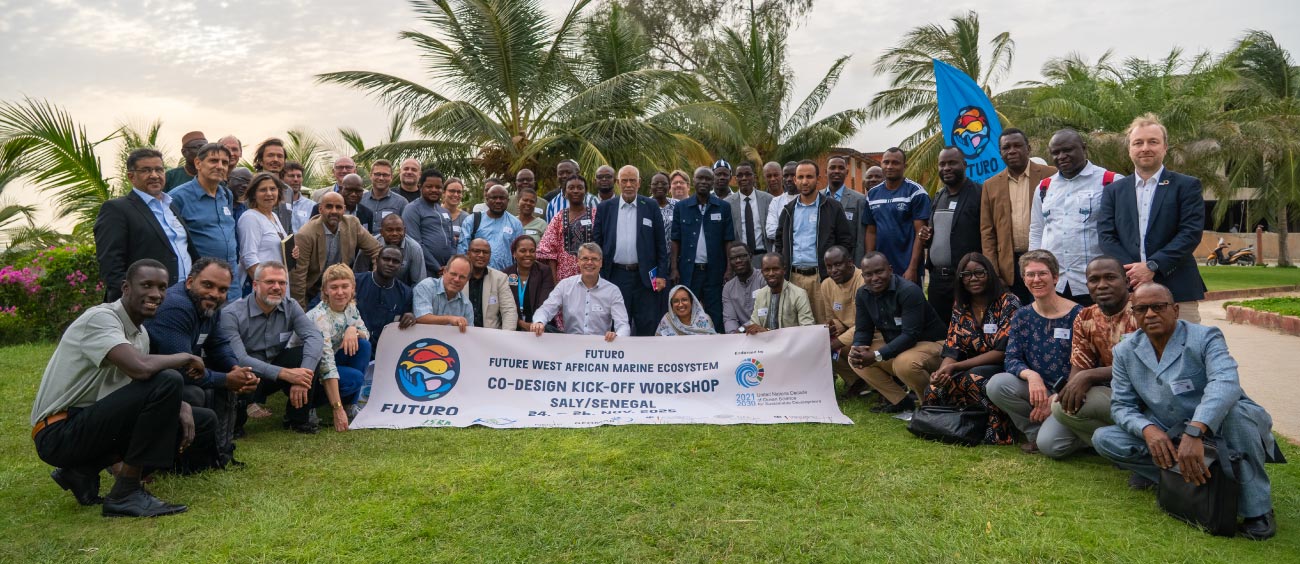
From November 24 to 26, 2025, nearly 70 participants from seven West African countries and Europe convened in Saly, Senegal, for a co-design workshop to shape the FUTURO research programme (Future West African Marine Ecosystem). Organised by the GEOMAR Helmholtz Centre for Ocean Research Kiel and hosted by the Oceanographic Research Center of Dakar-Thiaroye (CRODT), the workshop brought together scientists, policymakers, and local stakeholders to co-develop the FUTURO programme with a year-long observation expedition in its centre scheduled to begin in 2029. This expedition will focus on understanding the impacts of climate change and human pressures on the marine ecosystem off the coast of West Africa—a region that supports the livelihoods of millions of people.

A significant outcome of the workshop was the adoption of the “Saly Declaration”, a commitment to international cooperation and concrete actions for the protection of the marine ecosystem. FUTURO is an officially endorsed project of the United Nations Decade of Ocean Science for Sustainable Development (2021–2030), operating under the SEAWARD Africa Decade Programme. It is jointly led by the Intergovernmental Oceanographic Commission Sub-Commission for Africa and Adjacent Island States (IOCAFRICA) and GEOMAR, emphasising a co-design approach that integrates local communities, scientists, and policymakers.

Goal: To create a scientific foundation for the sustainable protection and management of West Africa’s marine ecosystem, ensuring its resilience in the face of accelerating climate change and fishing pressure.

CliMetS-Africa Workshop Advances Understanding of Methane Seeps and Climate Links

CliMetS-Africa Workshop Advances Understanding of Methane Seeps and Climate Links

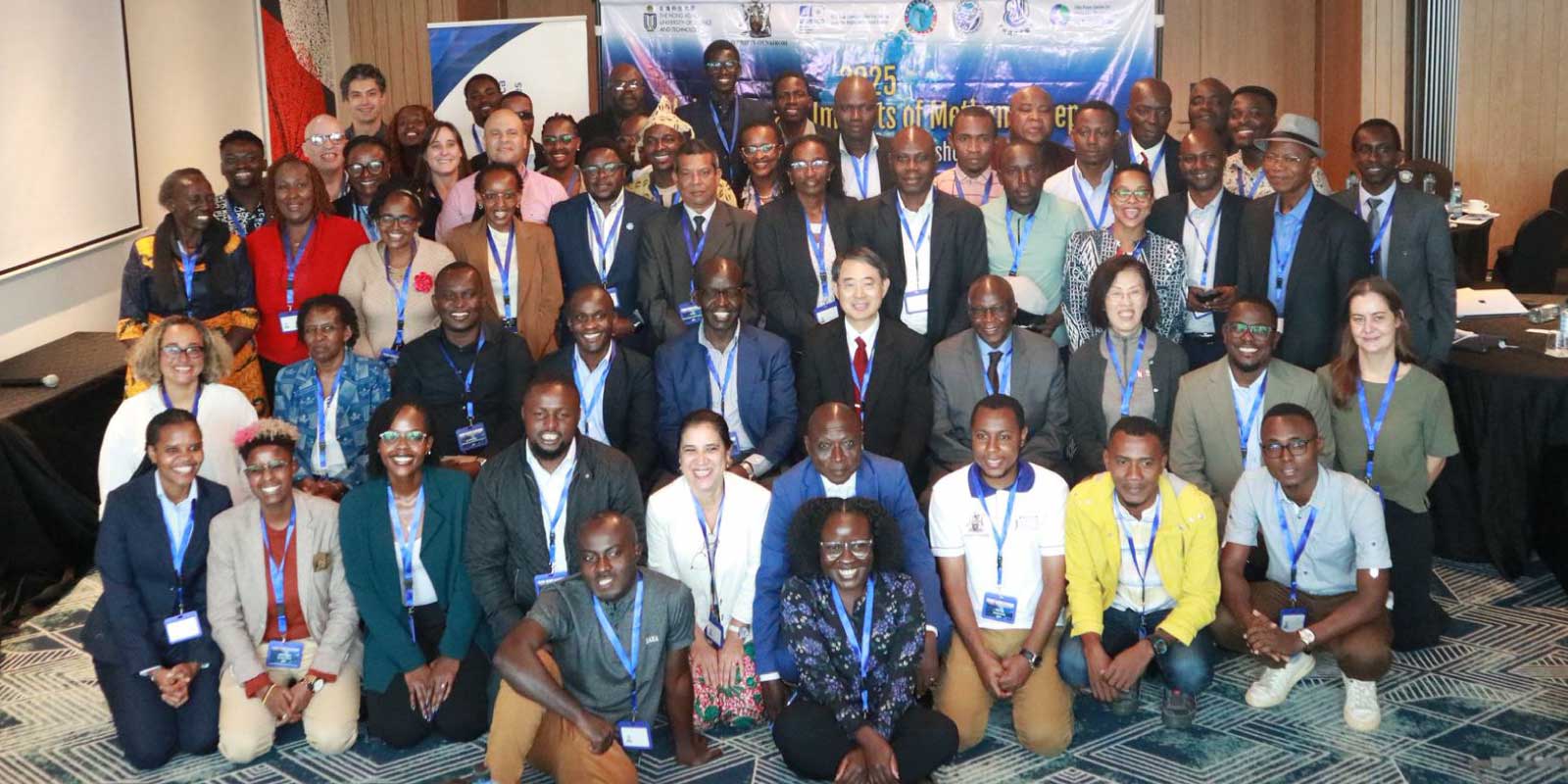
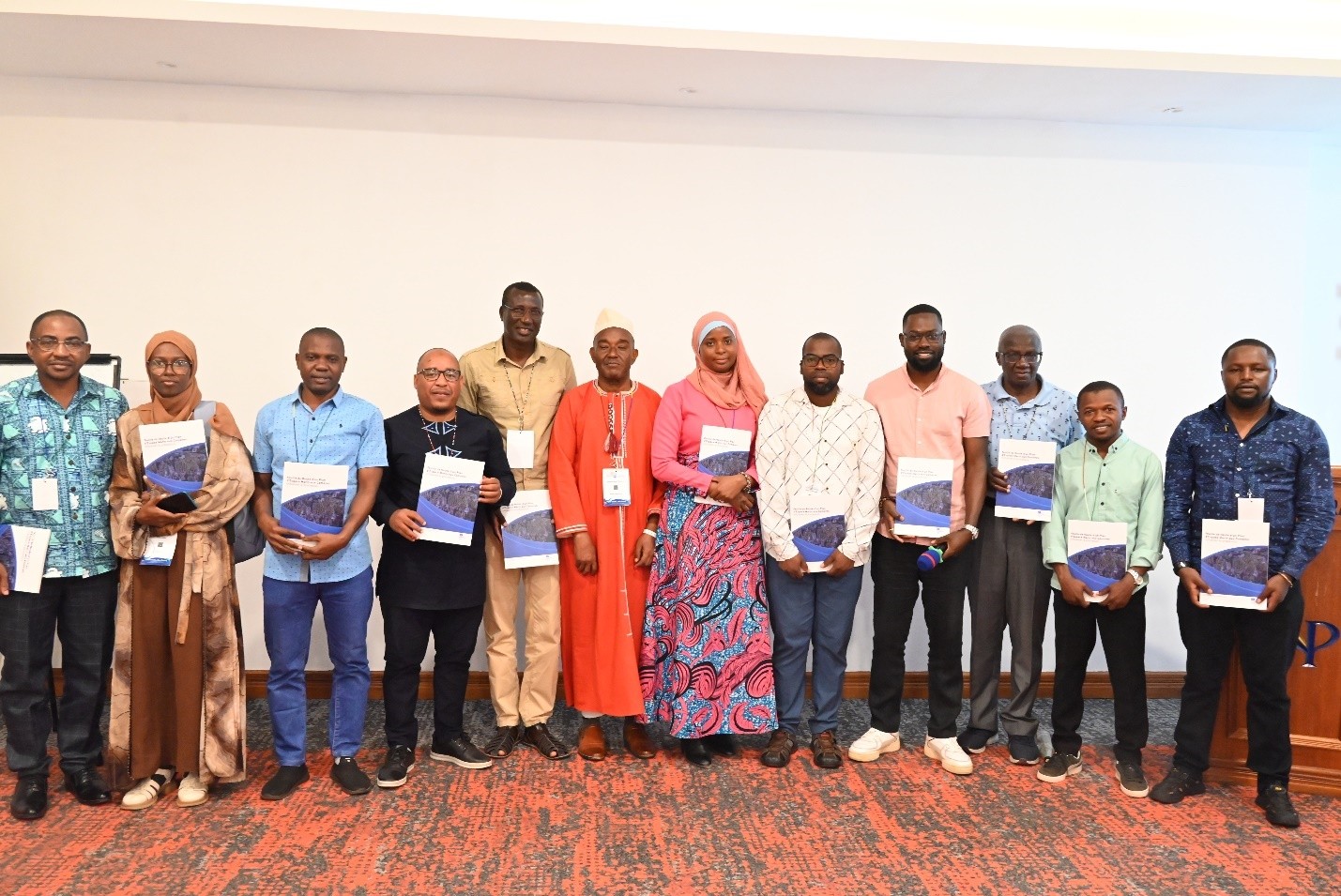
Participants of the CliMetS-Africa Workshop.

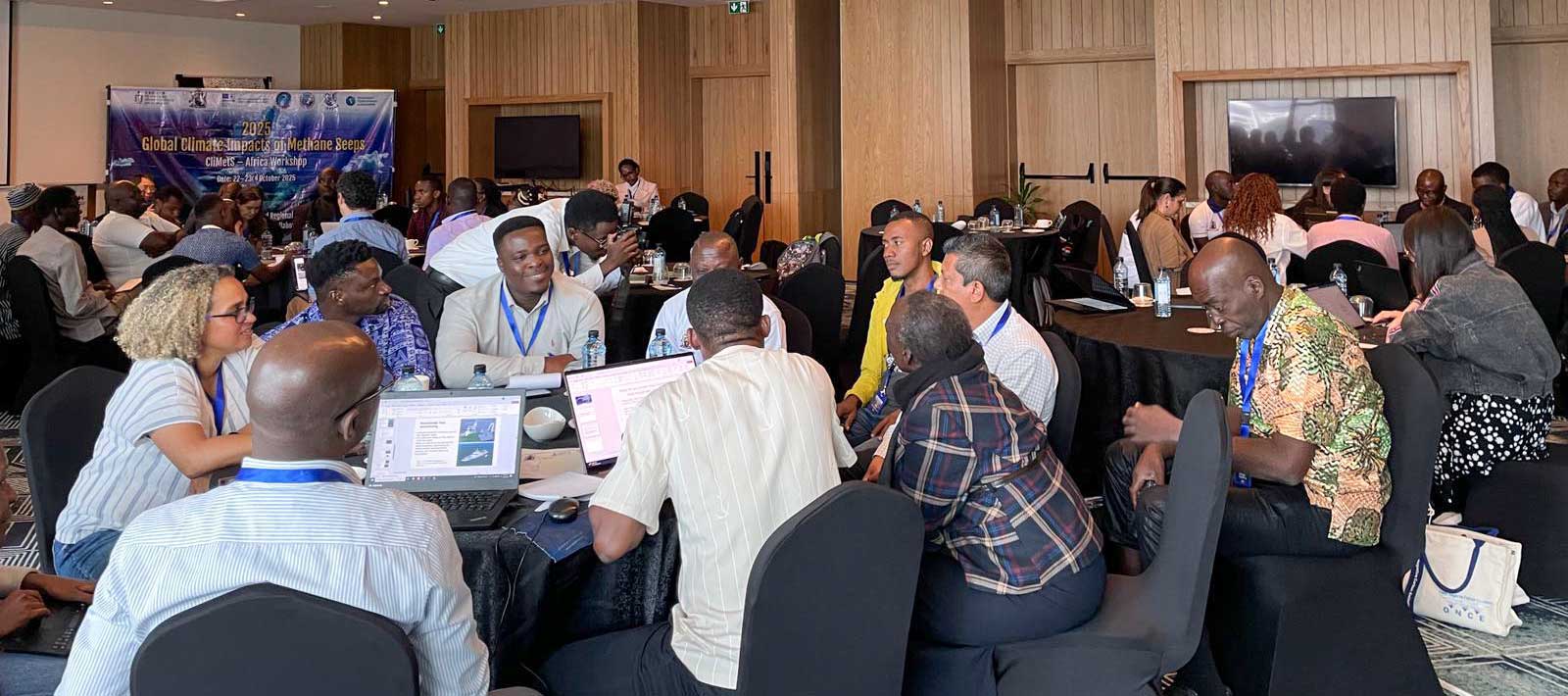
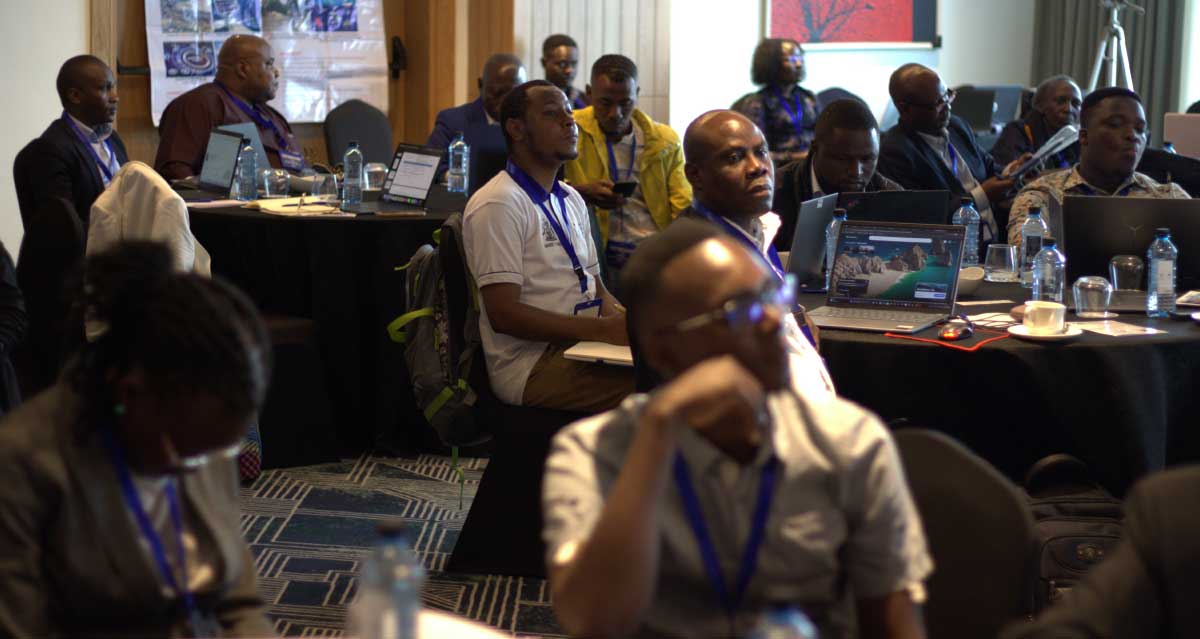
On 22nd and 23rd of October 2025, more than 70 ocean scientists, industry leaders, and policymakers from 17 African countries gathered in Nairobi for the Global Climate Impacts of Methane Seeps (CliMetS)-Africa Workshop, a meeting dedicated to exploring one of the ocean’s lesser-known mysteries: methane seeps.

The CliMetS programme, led by the Southern Marine Science and Engineering Guangdong Laboratory (Guangzhou), Hong Kong University of Science and Technology (HKUST), and the University of Nairobi, and supported by the Intergovernmental Oceanographic Commission of UNESCO’s Sub-Commission for Africa and the Adjacent Island States (UNESCO-IOCAFRICA), and the African Network of Deep-water Researchers (ANDR), aims to enhance understanding and capacity through shared research, training, and technological innovation.

Methane Seeps and Climate Links

Methane seeps are natural vents on the seafloor where gas escapes from beneath the Earth’s crust. Though invisible from the surface, they sustain unique deep-sea ecosystems and play a vital role in regulating the planet’s climate.

Methane, a greenhouse gas more than 80 times stronger than carbon dioxide in a 20-year period, can either be absorbed by marine microbes or escape into the atmosphere, where it accelerates global warming. Understanding how and when this happens is crucial for predicting climate change and protecting ocean health.

Yet, despite their global significance, methane seeps in African waters remain largely unmapped and unexplored. Without this knowledge, scientists and policymakers lack the data needed to assess environmental risks, design effective marine policies, and unlock the ocean’s potential for sustainable development.

The workshop served as a regional precursor to upcoming ocean research cruises in the Indian and South Atlantic Oceans, aimed at filling this knowledge gap.

Collaboration for Capacity and Innovation

Opening the event, Prof. Qian Pei-Yuan, Programme Director of CliMetS and Deputy Director at the Southern Marine Science and Engineering Guangdong Laboratory (Guangzhou), emphasized the urgency of advancing methane seep mapping across the Southern Hemisphere.  He made a heartfelt call for regional collaboration to jointly identify research priorities and co-develop action plans that will drive methane seep research in Africa forward. He also reaffirmed the commitment of the CliMetS partner institutions to supporting regional capacity building and knowledge sharing.

Representing Mr. Ibukun Adewumi, Head of IOCAFRICA, Mr. Edwin Mwashinga highlighted the Sub-Commission’s role in advancing ocean-climate science and capacity development through initiatives such as the Africa Ocean Decade Roadmap and the SEAWARD Programme. He underscored IOCAFRICA’s readiness to help integrate methane seep research into regional frameworks and called for stronger African participation in global assessments such as the Global Ocean Science Report.

Curiosity to Commitment

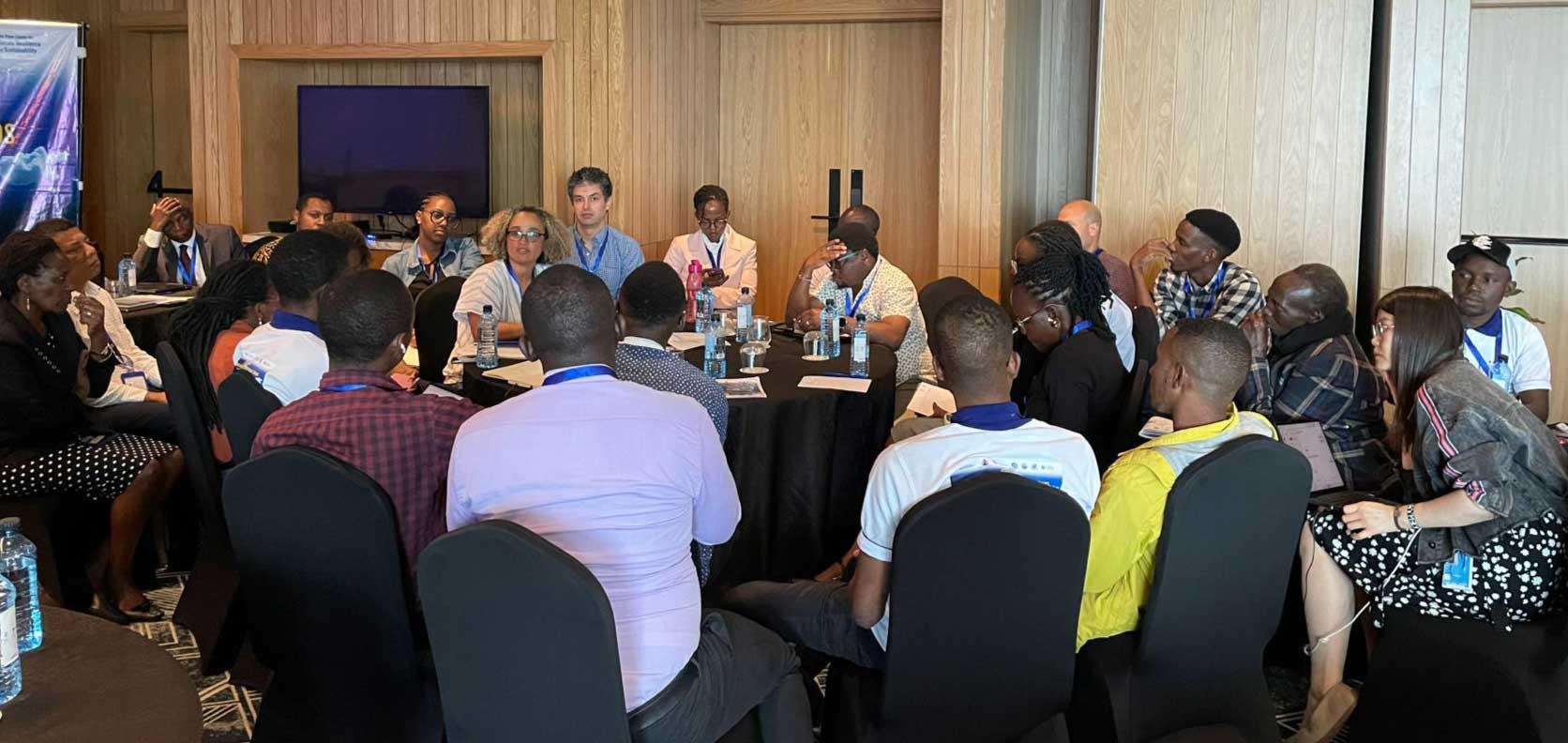
When the CliMetS-Africa Workshop opened in Nairobi, discussions on methane seeps sparked keen interest among participants. As the sessions unfolded, curiosity deepened into understanding. By the second day, participants were already shaping ideas on how Africa could take the lead in advancing its study.

Throughout the workshop, participants exchanged insights on how to better explore and manage these under-researched systems, from addressing challenges such as limited equipment and research funding to highlighting inspiring examples of regional collaboration already taking shape. A unifying message emerged: Africa has both the need and the determination to drive methane seeps research forward, but stronger networks and sustained support will be essential.


Charting the Way Forward

As the workshop drew to a close, participants translated their discussions into a clear roadmap for action. They outlined practical steps to strengthen Africa’s role in deep-sea and climate research.

Key recommendations from the workshop included:

  • Developing a continental inventory of methane seeps that integrates African data;
  • Expanding training and research programmes in deep-sea exploration;
  • Strengthening South–South collaboration and data sharing;
  • Mobilizing resources and interdisciplinary partnerships;
  • Embedding methane seep research into national and regional marine policies.

The outcomes will inform a regional action plan to guide future research and capacity building under the CliMetS programme.

By fostering collaboration and visibility, the workshop positioned Africa to play a stronger role in global efforts to understand ocean–climate interactions and protect vulnerable marine ecosystems.

Launching the Marine Spatial Planning Roadmap for Comoros at WIOMSA Symposium 2025

Launching the Marine Spatial Planning Roadmap for Comoros at WIOMSA Symposium 2025

The Comoros delegation, regional partners, and experts gathered to celebrate a major milestone in advancing Comoros’ blue economy and marine conservation.

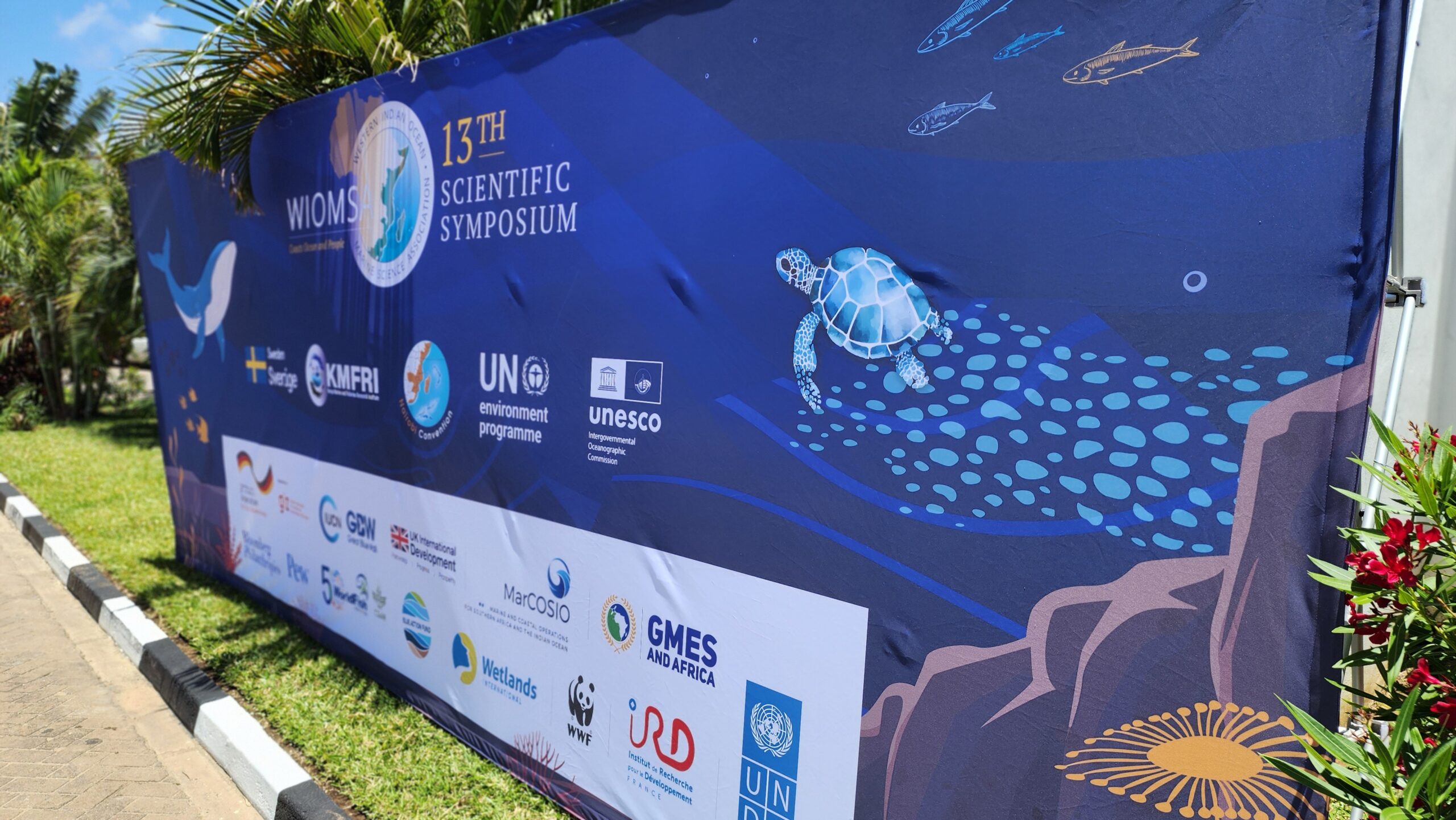
The Intergovernmental Oceanographic Commission of UNESCO, Sub-Commission for Africa and the Adjacent Island States (IOCAFRICA), marked a major milestone at the 13th WIOMSA Scientific Symposium with the launch of the Marine Spatial Planning (MSP) Roadmap for the Union of Comoros. The event was graced by the Comoros delegation, who joined partners and participants in celebrating this important achievement for the country’s blue economy vision.

Understanding Marine Spatial Planning and Its Importance

Marine Spatial Planning is an innovative approach to managing ocean space and resources in a way that balances ecological health, social well-being, and economic development. MSP involves organizing human activities—such as fishing, tourism, shipping, and conservation—across marine areas to minimize conflicts and maximize sustainable benefits.

The MSP Roadmap for Comoros provides the country with a step-by-step framework to develop its national marine spatial plan. This ensures that multiple sectors and stakeholders work collaboratively to achieve a shared vision for the sustainable use of marine spaces. The importance of MSP cannot be overstated; it helps protect fragile marine ecosystems while promoting economic opportunities that contribute to national development goals.

A Structured Guide to Marine Spatial Planning

This roadmap provides a comprehensive and structured guide for preparing a national marine spatial plan. It will help the Union of the Comoros define a shared vision for its blue economy by outlining concrete actions and establishing timelines to coordinate sustainable use of marine and coastal resources. It fosters collaboration among institutions, communities, and stakeholders, ensuring inclusive and integrated governance.

By establishing a clear framework for marine spatial planning, the roadmap aims to harmonize economic growth with environmental protection and social well-being. This reinforces IOCAFRICA’s commitment to evidence-based ocean governance and regional cooperation within the Western Indian Ocean region.

Collaborative Development and International Support

The roadmap was developed through a close partnership between the General Planning Commission (CGP) of Comoros, the Comoros National Commission for UNESCO, and the Faculty of Science and Technology (FST) at the University of Comoros, with support from the Swedish Agency for Marine and Water Management (SwAM). This collaboration reflects a global commitment to empower island nations in advancing ocean governance.

IOCAFRICA extends its appreciation to Mr. Zac Maritim, the lead author of the publication, whose dedicated work and technical leadership were instrumental in ensuring the report’s scientific rigor and practical relevance. His contribution has been vital to shaping the roadmap that is both evidence-based and actionable.

Next on the Horizon

Building on the successful launch, IOCAFRICA and its partners will now support the implementation phase of the MSP process in Comoros. The next steps include capacity-building workshops, stakeholder consultations, and pilot mapping exercises to translate the roadmap into an operational framework. These efforts will guide the identification of priority coastal and marine areas for management, strengthen cross-sectoral coordination, and ensure the roadmap’s alignment with national goals in blue economy growth, biodiversity conservation, and disaster preparedness.

Through continued technical assistance and collaboration, IOCAFRICA aims to help the Union of the Comoros transform the roadmap into a living tool, one that informs planning, empowers local institutions, and advances the country’s long-term vision for sustainable ocean governance.

Read the full report here: https://unesdoc.unesco.org/ark:/48223/pf0000395187

One Ocean, One Future: IOCAFRICA at the 13th WIOMSA Scientific Symposium

Participants at the Eco ballroom during the opening session at the 13th WIOMSA Scientific Symposium

The 13th WIOMSA Scientific Symposium, held from September 28 to October 3, 2025, in Mombasa, Kenya, under the theme "One Ocean, One Future: Connecting People, Policy, and Science for a Thriving Western Indian Ocean," marked a pivotal moment for marine science and ocean sustainability in the region. Nearly 1,400 participants gathered to foster dialogue and collaboration among scientists, policymakers, private sector actors, civil society, Early Career Ocean Professionals (ECOPs), and coastal communities.

The symposium resulted in major agreements to strengthen regional cooperation, boost ocean science initiatives, and implement action points targeting marine pollution reduction and climate change mitigation. These commitments underscore the symposium’s critical role in advancing sustainability in the Western Indian Ocean.

The event’s thematic areas focused on the nine priorities of the Ocean Decade Africa Roadmap. As a key partner, the UNESCO-IOC Sub-Commission for Africa and the Adjacent Island States (IOCAFRICA) reinforced its crucial role in promoting ocean science, building regional partnerships, and supporting the UN Decade of Ocean Science for Sustainable Development (2021–2030).

A Call to Bold and Practical Science

Mr. Ibukun Adewumi, Head of the IOCAFRICA Secretariat, delivered a compelling opening speech stressing the urgency of taking action, developing capacities, and enhancing collaboration across sectors.

Mr. Ibukun Adewumi, Head of IOCAFRICA Secretariat

 “We are the first generation to truly see the size of the ocean crisis, and maybe the last to fix it.” He stated.

He emphasized that IOCAFRICA will continue collaborating with like-minded partners to achieve not only a healthy and resilient ocean but also one that is productive, predictable, inspiring, and engaging. His message highlighted IOCAFRICA’s commitment to promoting ocean sciences and advancing blue economy strategies at the national, regional, and global levels.

During the official opening, Kenya’s Principal Secretary for the State Department of Blue Economy and Fisheries, Hon. Betsy Muthoni Njagi, CBS, stressed that “science without policy is powerless, and policy without science is empty,” urging leadership to address pollution, climate change, biodiversity loss, and resource scarcity.


Meeting between The WIOMSA 2025 Scientific Symposium organizing partners and Principal Secretary for Mining and Blue Economy, Betsy Njagi.

Additionally, Prof. Shaukat Abdulrazak, Kenya’s Principal Secretary for Science, Research, and Innovation, reinforced the need for the “socialization of science,” ensuring knowledge benefits all stakeholders. Scientists were encouraged to think creatively and blend modern science with traditional local knowledge. Mr. Paul Orina, Director General of KMFRI, advocated for “science unusual”—innovative, community-focused research delivering practical solutions.

IOCAFRICA Special Sessions

IOCAFRICA held two dynamic and insightful Special Sessions during the Symposium. In collaboration with the Flanders Marine Institute (VLIZ), the session titled “The UN Decade of Ocean Science: Milestones and Gaps in Bridging the Science–Policy–Society Interface in Africa” showcased the role of National Decade Committees (NDCs) as essential structures for implementing the Ocean Decade, while also highlighting ongoing initiatives in the region that contribute to translating science into policy and society.

Mr. Ibukun Adewumi addressing the participants at our special sessions

Juana Jimenez of the Belgian NDC emphasized that NDCs must be multistakeholder platforms including government, private sector, academia, and communities. Christina Kibuta highlighted the importance of national policies to combat marine plastic pollution, while Naya Sena stressed co-designing solutions with coastal communities to build trust.

In the second panel, Aina Le Don lauded the Strengthening Sea Level Monitoring and Data Management in East Africa for Coastal Resilience and Community Safety (SEAMARCS) project as an initiative which ensures that ocean observation services serve the communities by enhancing coastal resilience in Kenya, Madagascar, Mozambique and Seychelles. 

Clara Vives discussed the Blue Capacity Development (BlueCAD) Project, which strengthens ECOPs' skills through training and workshops. Kevin Lunzalu outlined East Africa Wildlife Society’s (EAWLS) contributions to marine conservation, including the Blue Carbon Ecosystems Conservation Project and advocacy for Locally Managed Marine Areas (LMMAs).

In the end, participants were grouped into three groups representing policy, science and society where they outlined bold visions and pathways that will enhance the connections for the three groups by 2030.


    Group 1: Policy                                                            Group 2: Science                                                          Group 3: Society 

The second Special Session, “Shaping Africa’s Ocean Future: Early Career Ocean Professionals (ECOPs)’ Voices for Policy Action,” showcased how African ECOPs are leading efforts to achieve the Africa Roadmap’s nine priorities. Participants agreed that ECOPs should be fully integrated into decision-making rather than included only to meet requirements. Senior scientists were urged to mentor ECOPs as the region’s current and future ocean leaders.

Early Career Ocean Professionals pose for a group photo

Working Together for Change

The symposium concluded by highlighting strong partnerships between IOCAFRICA and regional collaborators, demonstrating how collective action can address marine challenges in the Western Indian Ocean and wider Africa. Leaders called for increased funding, enhanced cross-border cooperation, and faster translation of ideas into action. The closing message of #WIOMSA2025 was one of hope, innovation, and unity, paving the way for Africa’s Ocean to become a beacon of resilience and prosperity for generations to come.
SEAMARCS Inception Workshop: Launching a New Era of Sea-Level Monitoring and Coastal Resilience in East Africa

SEAMARCS Inception Workshop: Launching a New Era of Sea-Level Monitoring and Coastal Resilience in East Africa

About us

Our Expertise

Get involved

Databases

© 2026 IOC Sub Commission for Africa & the Adjacent Island States